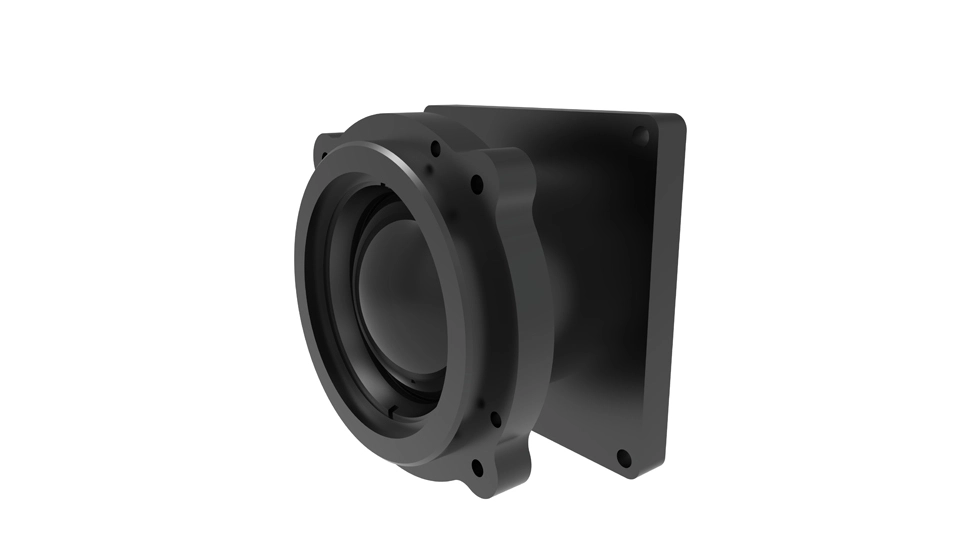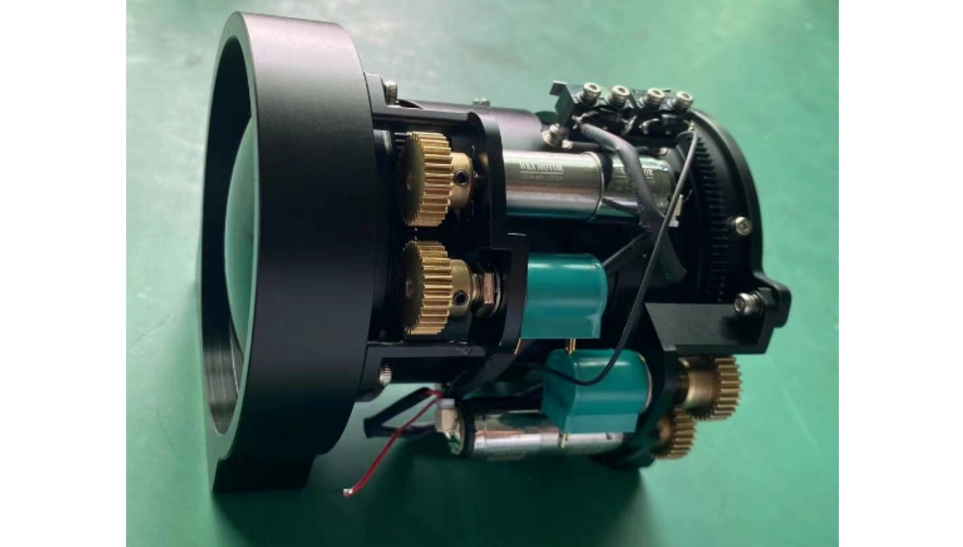
Handheld thermal binoculars provide accurate heat signature identification by detecting infrared radiation emitted from objects and converting temperature differences into visible thermal images. Unlike traditional optical handheld binoculars that rely on visible light, thermal binocular technology enables users to detect humans, animals, and equipment in complete darkness, fog, smoke, and other challenging environments.
With advanced infrared sensors, high-resolution displays, and compact designs, modern handheld thermal binoculars have become essential tools for wildlife monitoring, security surveillance, search and rescue, industrial inspection, and outdoor exploration. Their portability allows professionals to quickly identify heat sources and make reliable decisions in real-world conditions.
Handheld thermal binoculars identify heat signatures by capturing infrared energy naturally emitted by objects. Every object with a temperature above absolute zero releases infrared radiation. The thermal sensor inside the device detects these differences and processes them into a visual thermal image.
The main components responsible for accurate heat detection include:
Infrared thermal sensor: Detects small temperature variations from distant objects.
Optical lens system: Collects infrared radiation and focuses energy onto the detector.
Image processing technology: Enhances contrast and improves target recognition.
Display system: Converts thermal data into an easy-to-understand image.
This technology allows users to distinguish living targets, vehicles, machinery, and environmental heat sources without depending on daylight or artificial illumination.
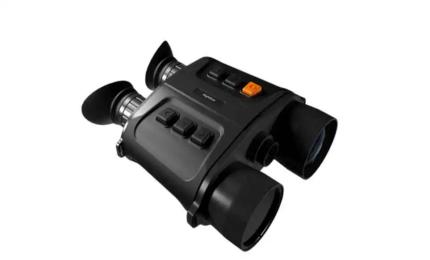
Portable handheld thermal binoculars provide significant advantages over conventional observation equipment because they combine mobility, long-range detection, and reliable performance in difficult environments.
Key benefits include:
Traditional optical devices require sufficient lighting conditions, while thermal binoculars detect heat rather than reflected light. This allows users to operate effectively during:
Nighttime observation
Underground inspections
Dense forests
Cloudy or low-visibility conditions
Thermal imaging highlights temperature differences between objects and their surroundings, making potential targets easier to locate. This is particularly valuable for:
Wildlife tracking
Border monitoring
Search and rescue missions
Security patrols
Advanced thermal sensors combined with optimized optical systems allow users to detect heat sources from significant distances while maintaining image clarity.
The versatility of handheld thermal binoculars makes them suitable for a wide range of professional and outdoor applications.
Wildlife researchers use thermal binocular systems to monitor animals without disturbing their natural behavior. Heat detection allows observation of animals hidden in vegetation or active during nighttime.
Compared with conventional optical equipment, thermal technology provides advantages when observing:
Nocturnal animals
Camouflaged wildlife
Animals in dense forests
Remote habitats
Security professionals rely on thermal binocular devices for perimeter monitoring and threat detection. These systems can identify human movement even when visibility is limited by darkness, fog, or smoke.
Common applications include:
Facility protection
Infrastructure monitoring
Law enforcement operations
Border surveillance
During emergency situations, thermal imaging helps rescue teams locate people by detecting body heat. Portable designs enable operators to quickly scan large areas and identify survivors in challenging environments.
Hunters, hikers, and outdoor professionals use thermal devices for navigation, observation, and safety. Their compact structure provides a practical alternative to larger thermal imaging systems.
Yes. Handheld thermal binoculars can operate in complete darkness because they detect infrared radiation emitted by objects instead of relying on visible light.
This makes them different from traditional night vision systems, which amplify existing light or require infrared illumination.
Thermal binoculars maintain performance in conditions such as:
Moonless nights
Heavy fog
Smoke-filled areas
Dense vegetation
Poor weather conditions
This capability makes thermal technology particularly valuable for applications where conventional optical systems cannot provide reliable visibility.
Selecting the right thermal binocular system depends on application requirements and operating conditions.
Important specifications include:
Higher sensor resolution improves image detail and target identification accuracy, especially at longer distances.
The required detection distance depends on whether the system is used for wildlife observation, security, or industrial monitoring.
High-quality infrared lenses improve energy collection efficiency and enhance image clarity.
Advanced processing features improve:
Target recognition
Contrast enhancement
Noise reduction
Image stability
Professional thermal devices should provide reliable operation in outdoor environments with features such as:
Waterproof construction
Shock resistance
Lightweight design
Long battery life
Portable handheld thermal binoculars provide reliable heat signature identification by combining advanced infrared detection technology with compact and durable designs. Compared with conventional handheld binoculars, they deliver superior visibility in darkness, challenging weather, and obstructed environments.
Whether used for security monitoring, wildlife research, search and rescue, or professional outdoor applications, thermal binocular systems offer a powerful solution for detecting and identifying heat sources quickly and accurately. As infrared imaging technology continues to advance, portable thermal observation equipment will remain a critical tool for modern optical sensing applications.
 Call us on:
  Email Us:
  No.9 Zhongxing East Road, Lishui Economic Development Zone, Nanjing, Jiangsu, China
  en
en