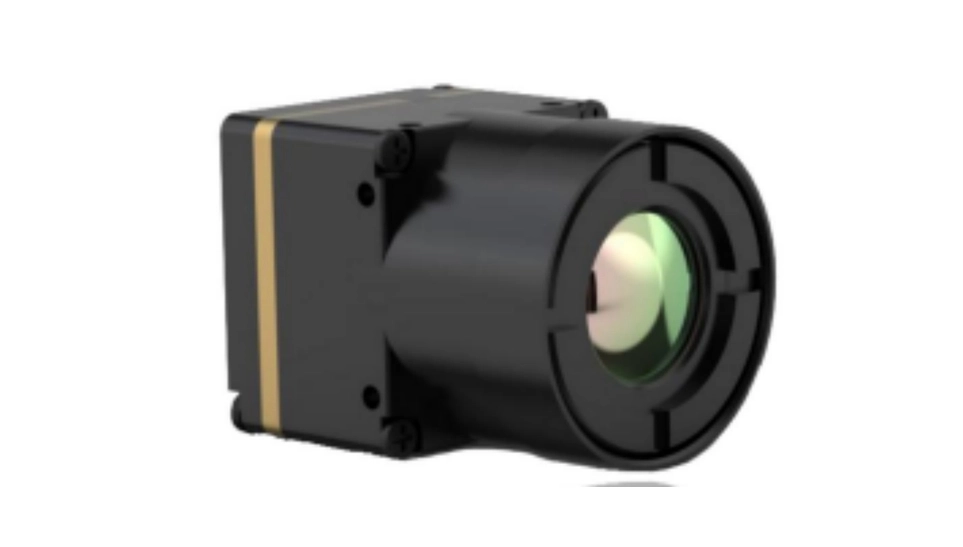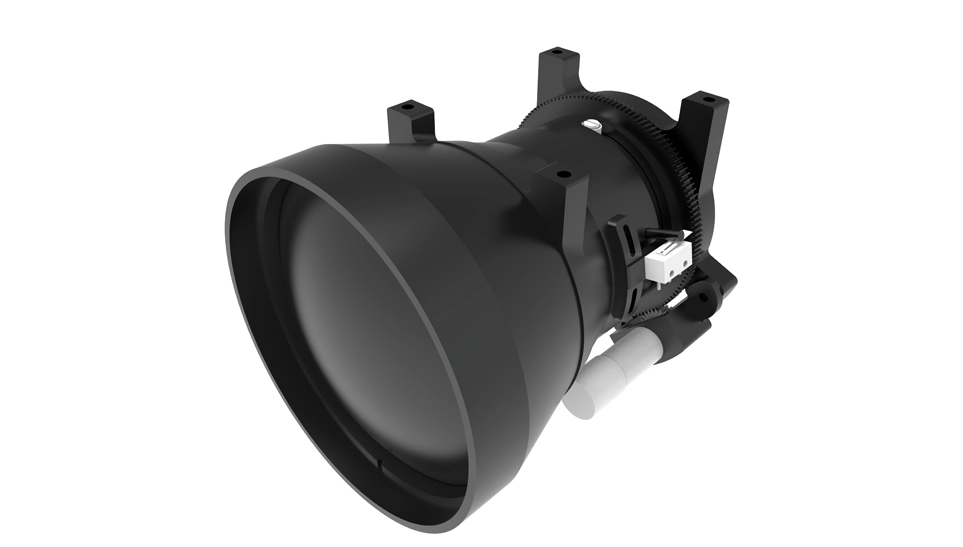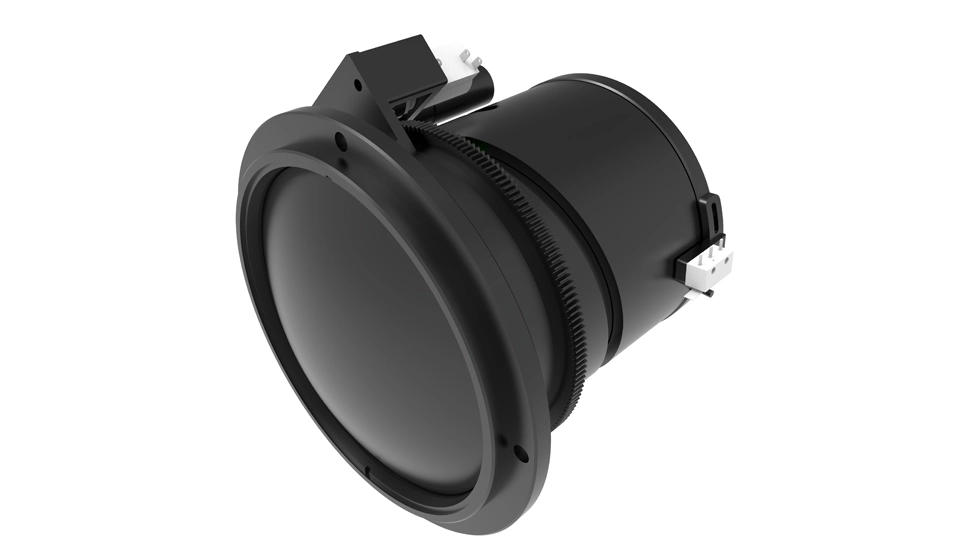
In the era of rapid development of infrared imaging technology, Infrared Athermal Lenses, as the core components of thermal imaging systems, solve the problems of focal length drift and image blur caused by temperature changes in traditional infrared lenses. CNGEIR, a state-level high-tech enterprise with nearly 60 years of experience in the infrared field, has developed infrared athermal lenses that are widely used in military defense, power inspection, medical diagnostics, and intelligent driving, providing all-weather stable imaging solutions for high-end infrared optoelectronic systems.
This article will delve into the technical principles, core advantages, and application scenarios of infrared athermal lenses. Through comparative tables, you will understand the differences between them and traditional infrared lenses and receive professional advice on selection and maintenance.
Why is an Infrared Athermal Lens needed?
In traditional infrared optical systems, when there is a drastic temperature change (e.g., -40°C to +80°C), the refractive index of the lens materials changes, causing focal point shift and resolution degradation, severely affecting the detection accuracy of thermal imaging devices. For example, border surveillance equipment might fail in target recognition in environments with large day-night temperature differences, and thermal images captured by power inspection drones in winter may become blurry and distorted.
CNGEIR's Infrared Athermal Lens uses a multi-material composite design to eliminate thermal differences by matching lenses and metal components with different thermal expansion coefficients in the optical structure, automatically compensating for changes caused by temperature. It uses special infrared materials like Zinc Sulfide (ZnS) and Zinc Selenide (ZnSe), combined with proprietary precision assembly technology, to achieve stable imaging in the long-wave infrared band from 8μm to 14μm. The temperature difference adaptation range is increased by 300% compared to ordinary lenses, ensuring reliability of high-end equipment such as police night vision devices and missile guidance heads in extreme environments.
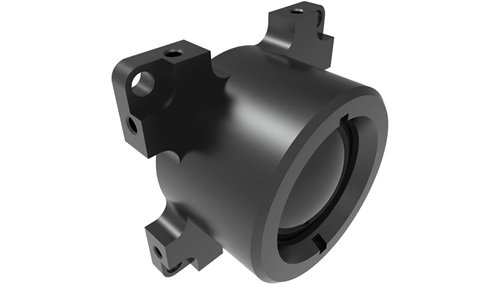
Infrared Athermal Lens vs. Traditional Infrared Lens: Performance Comparison
To visually demonstrate the technical advantages of infrared athermal lenses, the following table compares their key performance differences with traditional infrared lenses:
Comparison Item | Infrared Athermal Lens | Traditional Infrared Lens |
Temperature Stability | Focal length remains almost unchanged in wide temperature environments, stable imaging | Temperature changes cause focal length drift, requiring manual focusing |
Material Selection | Uses materials with low thermal expansion coefficients like Germanium, Zinc Selenide | Conventional optical glass or plastic, poor thermal stability |
Application Scenarios | Military reconnaissance, airborne electro-optical systems, industrial inspections in extreme environments | Basic infrared imaging in room temperature environments |
Cost | Initial cost is higher, but maintenance-free in the long term | Lower unit price, but frequent calibration is needed |
Imaging Accuracy | High resolution, low edge distortion | Temperature variations may cause distortions |
CNGEIR's athermal lenses use precise optical-mechanical design to optimize costs while ensuring performance, providing reliable options for high-end infrared applications.
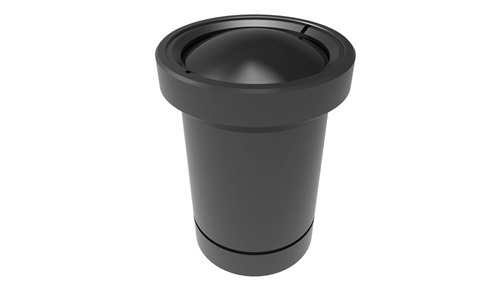
Five Core Application Fields of Infrared Athermal Lenses
1. Military Defense
Used in infrared guidance and night vision systems of armored vehicles, maintaining targeting accuracy in extreme desert heat or arctic cold environments.
2. Power Industry
Paired with drone-mounted thermal cameras for all-weather defect inspection of high-voltage transmission lines.
3. Intelligent Vehicles
Empowering L4-level autonomous driving far-infrared night vision systems to identify pedestrians 200 meters away under fog, glare, or other interferences, while temperature compensation technology avoids malfunctioning of onboard cameras due to high temperatures in the engine compartment.
4. Medical Diagnostics
Used in early infrared screening devices for breast cancer, eliminating the impact of body temperature fluctuations on imaging, improving the detection rate of small tumors.
5. Industrial Monitoring
Temperature field analysis of the furnace wall in steel plants, with lenses continuously working without defocusing in 1000°C radiation environments.
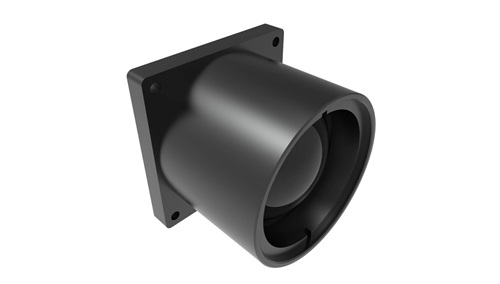
How to Select the Right Athermal Lens? CNGEIR's Professional Advice
Selection should consider the following parameters:
Working wavelength: Mid-wave (3-5μm) or long-wave (8-14μm) infrared, CNGEIR supports dual-wavelength composite design;
F-number: F/1.0 large aperture is suitable for low-light environments but needs to balance size and cost;
Field of view: Wide-angle (above 60°) for wide-area monitoring, narrow-angle (<10°) for long-distance detection;
Interface standards: C-mount, CS-mount, or customized flange, compatible with mainstream detectors like FLIR, ULIS;
Environmental protection: IP67 dustproof and waterproof or electromagnetic shielding requirements.
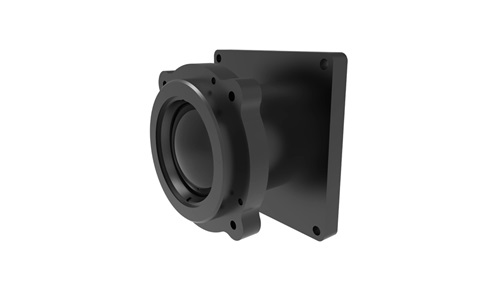
Three Maintenance Strategies for Extending the Life of Athermal Lenses
1. Regular Cleaning
Use anhydrous ethanol and ultra-fine microfiber cotton to clean the lens surface, avoiding scratches on the anti-reflective coating caused by hard materials;
2. Stress Testing
Check the stress distribution of the lens assembly every six months with a laser interferometer to prevent deformation of the assembly structure caused by vibration;
3. Database Management
Establish a temperature-focal length shift curve archive, using intelligent calibration software to automatically compensate for aging errors.
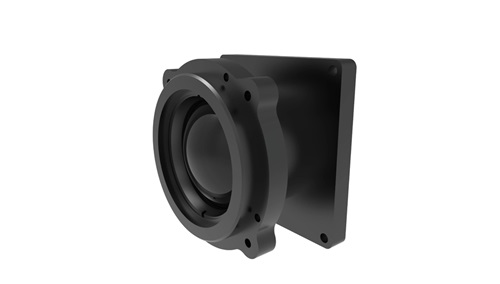
CNGEIR leverages its full industry chain capabilities to empower the future of infrared optics. From material purification, precise processing to military-grade testing, CNGEIR has built a globally rare full-chain R&D system for infrared athermal lenses. Our products have passed the GJB150A military certification and CE/FCC international standards, serving advanced equipment manufacturers in over 30 countries.
 Call us on:
  Email Us:
  No.9 Zhongxing East Road, Lishui Economic Development Zone, Nanjing, Jiangsu, China
  en
en