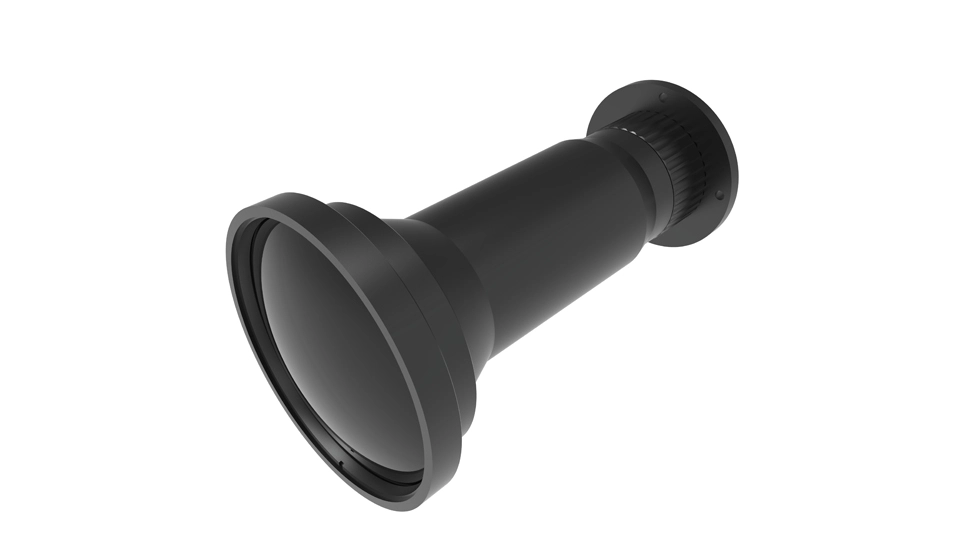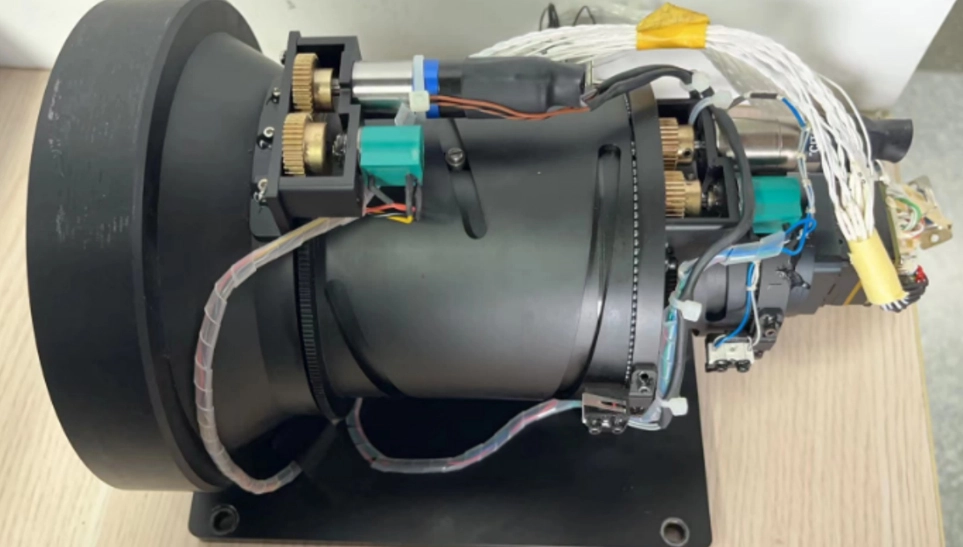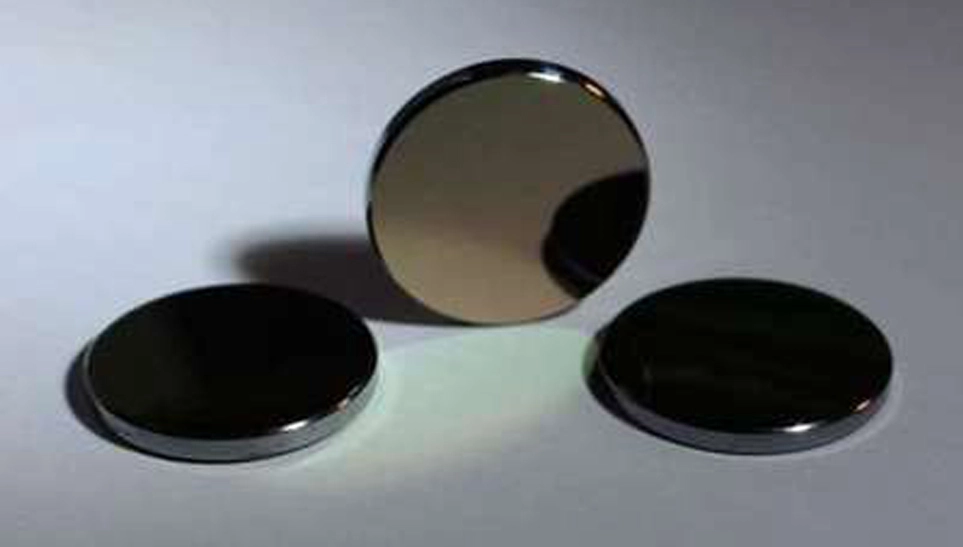
Uncooled LWIR lenses are optical components designed for long-wave infrared thermal imaging systems operating typically in the 8–14 μm wavelength range. Unlike cooled infrared systems that require cryogenic cooling, uncooled LWIR imaging relies on thermal detectors that operate at ambient temperatures, enabling compact, low-power, and cost-effective thermal imaging solutions. These lenses are widely used in security surveillance, industrial inspection, automotive night vision, medical monitoring, and intelligent sensing applications.
For high-performance thermal imaging, the optical design of an uncooled LWIR lens is critical. Factors such as infrared lens material selection, infrared optical lens configuration, thermal stability, and aberration correction directly influence image quality, detection range, and system reliability.
An uncooled LWIR lens is a specialized infrared lens designed to focus long-wave infrared radiation onto an uncooled thermal detector, such as a microbolometer sensor. The lens collects thermal energy emitted from objects and forms an infrared image by converting temperature differences into visible thermal patterns.
Unlike visible-light lenses, LWIR lenses must work with infrared-transmitting materials and optimized structures because conventional glass cannot transmit long-wave infrared wavelengths effectively. Professional infrared lens design must consider high material dispersion, temperature-induced focal shifts, and atmospheric absorption.
Modern uncooled LWIR lens systems typically incorporate:
High-transmission infrared optical lens elements
Athermal optical structures
Precision-machined mechanical assemblies
Advanced infrared coatings
Infrared aspheric lenses for improved aberration correction
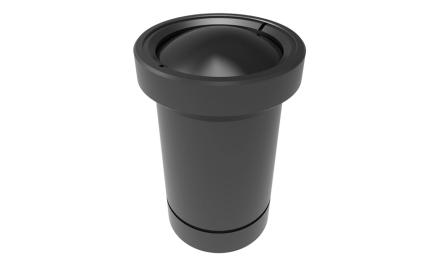
Uncooled LWIR lenses provide the optical foundation for reliable thermal imaging by enabling accurate heat detection without complex cooling mechanisms.
Compared with cooled thermal imaging systems, uncooled solutions eliminate cryogenic components, allowing manufacturers to create smaller and lighter thermal cameras.
Uncooled LWIR systems consume less power and require less maintenance, making them suitable for continuous monitoring applications.
A high-quality infrared athermal lens compensates for temperature-related optical changes and maintains focus accuracy under different environmental conditions.
Professional infrared lens design directly determines resolution, sensitivity, field of view, and detection distance.
Important design considerations include:
Advanced LWIR optical systems use infrared aspheric lenses to reduce:
Spherical aberration
Distortion
Field curvature
An infrared aspheric lens allows better optical performance with fewer lens elements.
Temperature compensation is essential for maintaining consistent image quality. This is why many outdoor thermal imaging systems use an infrared athermal lens.
A larger aperture increases infrared energy collection but requires more complex optical design and manufacturing processes.
Uncooled LWIR lenses are widely applied in:
Thermal imaging systems equipped with infrared optical lens assemblies can detect targets in darkness, smoke, and poor visibility conditions.
LWIR systems help identify:
Equipment overheating
Electrical faults
Energy losses
Mechanical failures
Automotive thermal cameras use infrared lenses to detect pedestrians, animals, and obstacles.
Thermal imaging supports non-contact temperature measurement and heat analysis.
When selecting an LWIR lens, engineers should evaluate:
Ensure the lens supports the required LWIR wavelength range.
Select suitable materials such as germanium, silicon, or chalcogenide glass based on performance requirements.
Choose an infrared athermal lens for applications exposed to changing temperatures.
Evaluate:
Resolution
Field of view
Aperture
Distortion control
Detector compatibility
CNGEIR specializes in designing and manufacturing advanced infrared imaging components, including uncooled LWIR lenses, infrared athermal lenses, infrared aspheric lenses, and custom infrared optical lens solutions.
With professional expertise in infrared lens design, advanced material selection, and precision manufacturing, CNGEIR provides high-performance thermal imaging solutions based on germanium infrared lenses and other advanced optical materials.
 Call us on:
  Email Us:
  No.9 Zhongxing East Road, Lishui Economic Development Zone, Nanjing, Jiangsu, China
  en
en