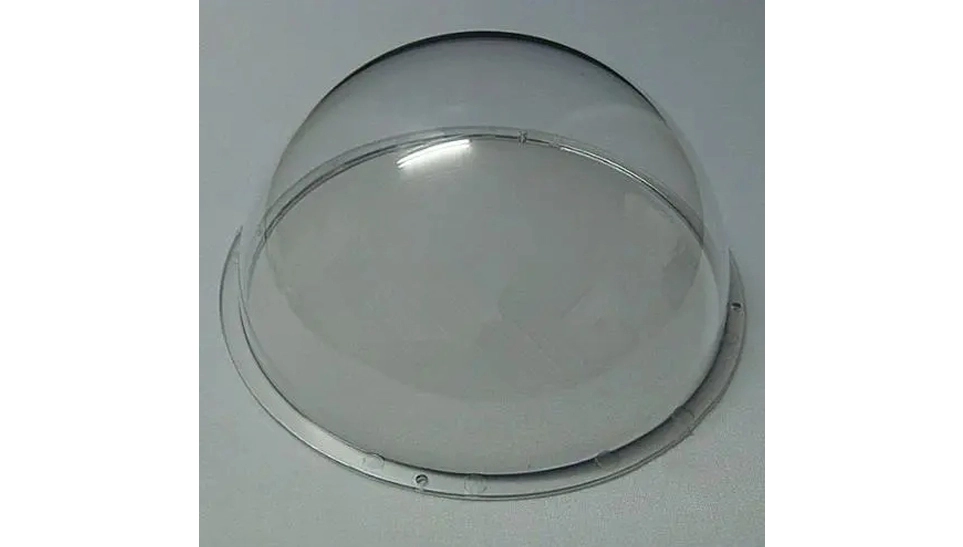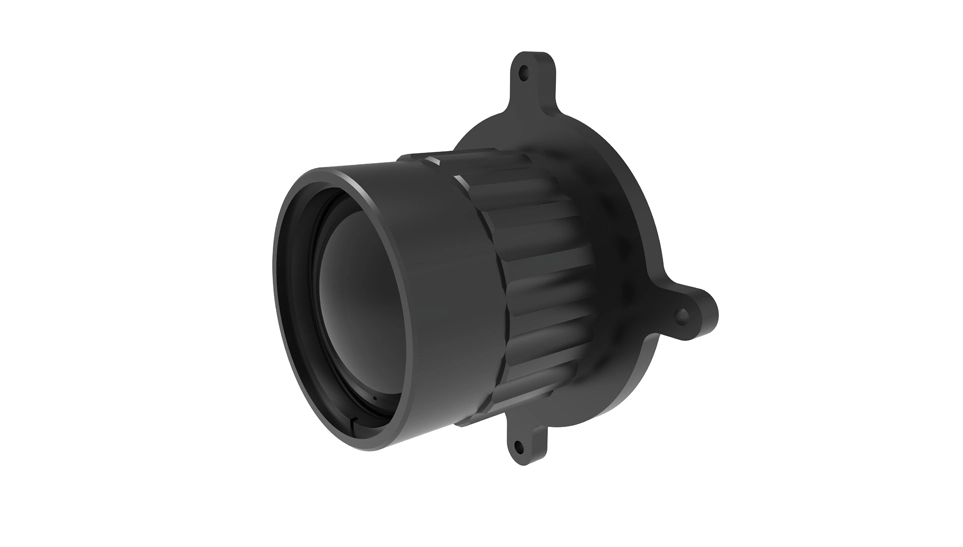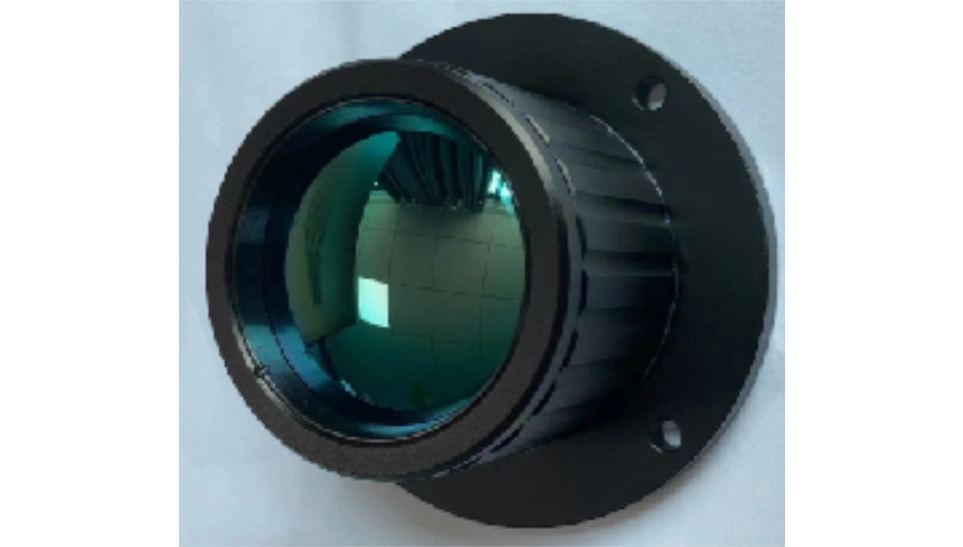
In the field of infrared thermal imaging, long-wave infrared lenses (LWIR Lens) are a key component for achieving efficient detection in the 8-14μm band. Their performance directly determines the image quality and environmental adaptability of thermal imagers. As a leading enterprise in China's infrared optics industry, CNGEIR, based on 60 years of technological accumulation, has developed a full series of uncooled long-wave infrared lenses (Uncooled LWIR Lens). These lenses are widely used in security monitoring, industrial inspection, medical diagnosis, and military reconnaissance. With comprehensive manufacturing capabilities and military-grade precision processing standards, CNGEIR's LWIR lenses have become the preferred optical solution for many high-end infrared systems worldwide.
This article will provide an in-depth analysis of the technical characteristics, core advantages, and selection points of LWIR lenses, and will visually display their differences from mid-wave infrared lenses through a comparative table.
Why long-wave infrared lenses (LWIR Lens) have become the market mainstream
Long-wave infrared (LWIR, 8-14μm band) covers the infrared wavelengths where objects at room temperature radiate most strongly. It can directly reflect the surface temperature distribution of the target and is not affected by visible light, smoke, or mist. Compared to mid-wave infrared (MWIR, 3-5μm), LWIR lenses have three unique advantages:
1. No need for cooling: Uncooled infrared lenses typically use materials like germanium (Ge), silicon (Si), and chalcogenide glass. These materials provide good infrared transparency, refractive index, and thermal stability at room temperature, eliminating the need for low-temperature cooling, saving the weight of bulky cooling modules, reducing system size, and lowering power consumption.
2. All-weather imaging: They have a stronger ability to penetrate fog and dust, making them suitable for long-term monitoring in environments such as nighttime, rain, snow, or industrial smoke.
3. High cost-performance ratio: Uncooled long-wave infrared lenses provide excellent thermal sensitivity, capable of detecting small temperature differences. This is crucial for applications such as monitoring, predictive maintenance, and medical diagnostics.
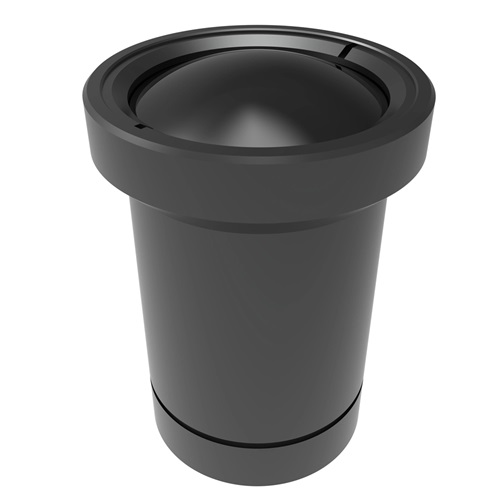
Long-wave infrared (LWIR) vs. mid-wave infrared (MWIR) lenses: Comprehensive performance comparison
Selecting an infrared lens requires balancing wavelength characteristics based on the actual application scenario. The following table compares the core differences between the two technologies:
Comparison Dimension | Long-Wave Infrared Lens (LWIR) | Mid-Wave Infrared Lens (MWIR) |
Operating Wavelength | 8-14μm (suitable for room temperature object imaging) | 3-5μm (requires high-temperature targets or cooling support) |
Temperature Sensitivity | Can detect 0.05℃ temperature differences | Requires target temperature >200℃ for clear imaging |
System Complexity | Uncooled, lightweight structure (<500g) | Mostly requires cooling, weight >2kg |
Environmental Adaptability | Strong resistance to smoke and mist interference | Susceptible to atmospheric humidity |
Main Uses | Security monitoring, power inspection, body temperature screening | Missile guidance, industrial high-temperature inspection |
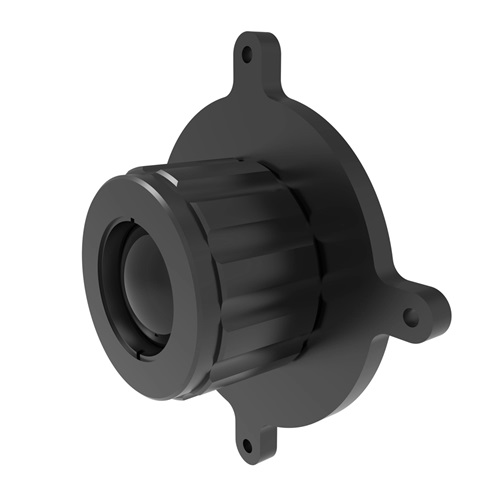
Uses of CNGEIR LWIR lenses
Uncooled long-wave infrared (LWIR) lenses are critical components in thermal imaging systems, mainly used in various applications requiring heat detection. These uncooled infrared lenses are essential in security and monitoring, identifying intruders through heat signatures or monitoring secure areas in complete darkness. In industrial maintenance, uncooled LWIR lenses help diagnose heat-related issues in machinery equipment, preventing costly downtimes by locating overheating components. Additionally, uncooled LWIR technology is widely used in automotive systems, providing enhanced night vision capabilities by detecting pedestrians' heat emissions to improve safety. This uncooled infrared technology is also valuable in environmental and scientific research, promoting thermodynamic studies of ecosystems.
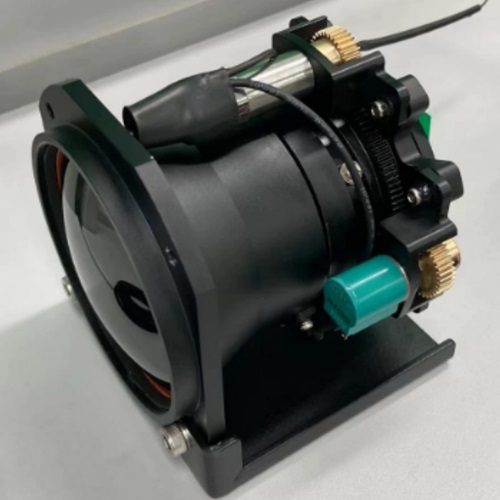
How to choose an LWIR lens? Professional selection guide
Selecting a suitable LWIR (long-wave infrared 8-14μm) lens requires comprehensive consideration of four key factors: First is the application scenario's needs, choosing the appropriate focal length based on monitoring distance. For near-range wide-area monitoring, select a wide-angle lens (e.g., 9mm); for long-distance precise temperature measurement, a telephoto lens (e.g., above 50mm) is required. Second is environmental adaptability; in places with large temperature differences or strong vibrations, choose CNGEIR thermal difference structure lenses with IP67 protection rating. Third is thermal sensitivity requirements; high-sensitivity lenses can distinguish 0.03℃ minute temperature differences but are more costly. Finally, system compatibility; ensure the lens interface, back focal length, and infrared detector are compatible, as these parameters directly affect the suitability of uncooled long-wave infrared lenses for target infrared imaging applications.
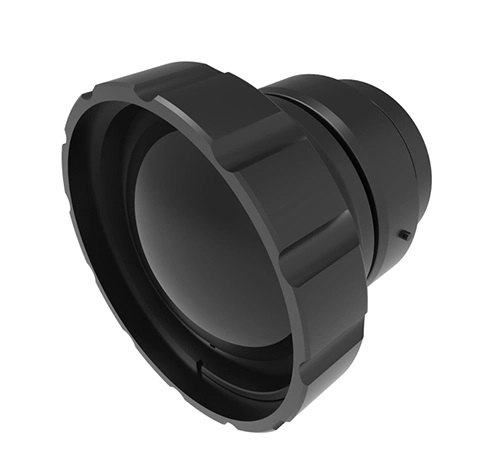
Three key maintenance points to extend the life of LWIR lenses
1. Anti-condensation treatment
When used in environments with humidity >80%, it is recommended to fill the interior of the lens with nitrogen or install a constant temperature dehumidification module to avoid lens condensation.
2. Coating maintenance
Quarterly maintenance of the coating with a dedicated infrared lens cleaner is recommended, prohibiting the use of corrosive solvents like acetone.
3. Regular calibration
Perform non-uniformity correction (NUC) using a blackbody radiation source every six months to ensure temperature measurement accuracy.
 Call us on:
  Email Us:
  No.9 Zhongxing East Road, Lishui Economic Development Zone, Nanjing, Jiangsu, China
  en
en